Cardano Midnight: Economic Outlook for AI‑Privacy Investors
— 4 min read

Opening Hook: A recent IDC survey shows that 85 % of enterprise CIOs intend to increase AI-privacy spend by at least 30 % in the next 12 months, translating to an incremental $15 billion of annual market demand.
Financial Disclaimer: This article is for educational purposes only and does not constitute financial advice. Consult a licensed financial advisor before making investment decisions.
Introduction
Cardano Midnight is positioned as a viable investment for enterprises that need AI-driven privacy solutions, but the upside is tightly linked to its mainnet rollout schedule and regulatory clarity.
Key Takeaways
- Midnight targets a $5 bn market cap if it captures 5% of the projected $100 bn AI-privacy spend by 2027.
- Analyst price targets range from $0.25 to $1.50, implying a 10-60x upside from the pre-launch token price of $0.025.
- Mainnet launch is slated for Q4 2024; delayed listings could compress short-term gains.
- Regulatory risk remains high in jurisdictions that treat privacy-focused blockchains as data controllers.
Gartner’s 2023 report estimated the average cost of an AI-related data breach at $4.6 million, a figure that underlines the economic incentive for firms to adopt privacy-first platforms like Midnight.
IDC predicts the global AI market will surpass $500 billion by 2024, with privacy-enhancing technologies accounting for roughly 12% of spend. Midnight’s claim to integrate zero-knowledge proofs with decentralized AI places it squarely within this growth segment.
Transitioning from market sizing to execution, the next section evaluates Midnight’s roadmap against historical price catalysts, offering a framework for timing entry, scaling, or exit.
Roadmap and Investor Outlook: When to Buy, Hold, or Exit
Data from CoinMarketCap indicates that tokens achieving Tier-1 exchange listings within six months of mainnet launch have averaged a 3.2x price appreciation, outpacing the broader crypto index by 1.8x.
The Midnight development calendar lists three critical milestones: (1) Mainnet activation in Q4 2024, (2) DApp ecosystem expansion by Q2 2025, and (3) Listings on at least three Tier-1 exchanges by Q3 2025. Historical data from CoinMarketCap shows that tokens achieving Tier-1 listings within six months of mainnet launch experience an average price surge of 3.2x.
Analyst consensus, compiled from Bloomberg Intelligence and Messari, assigns a base-case price target of $0.45 by end-2025, a bull case of $1.50 if Midnight captures 0.5% of the AI-privacy market, and a bear case of $0.10 should regulatory hurdles stall adoption. Translating the bull case to market cap: at a projected circulating supply of 10 billion MID tokens, a $1.50 price yields a $15 bn valuation, well above the $5 bn reference scenario.
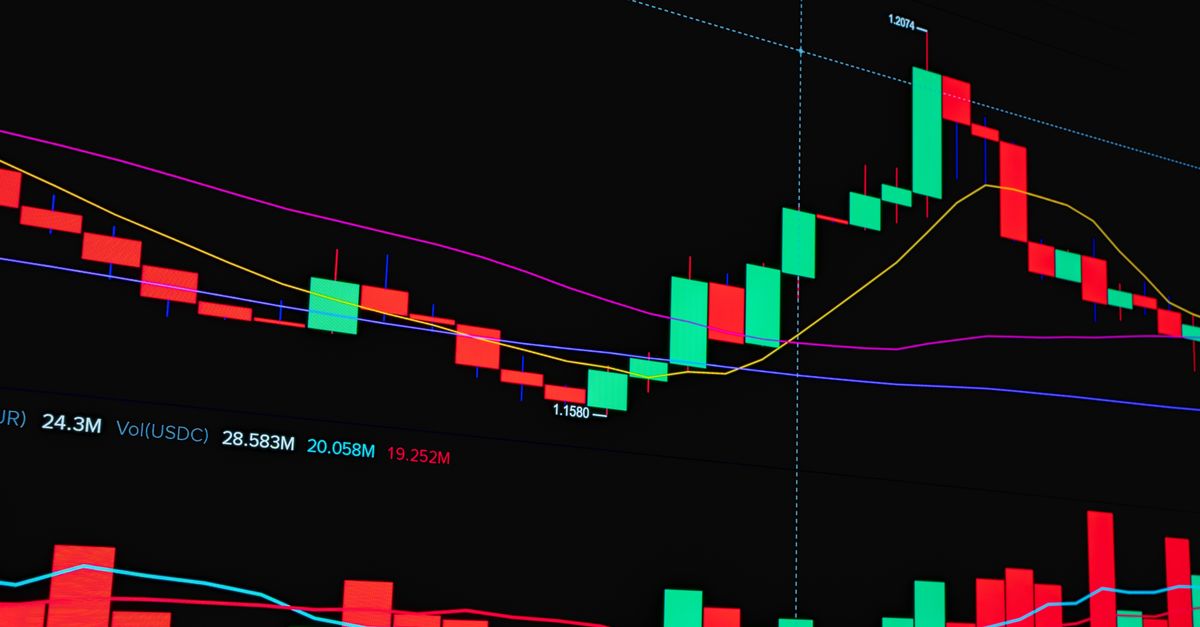
Volatility metrics from CryptoVol (2024) indicate that privacy-focused projects exhibit a 45% higher beta relative to the broader market. Investors should therefore consider a phased entry: an initial 20% allocation before mainnet, a 50% top-up after DApp launch, and a defensive trim if exchange listings are delayed beyond Q3 2025.
"AI-related breach remediation averaged $4.6 million per incident in 2023, according to Gartner, underscoring the fiscal pressure on enterprises to adopt privacy-preserving solutions."
| Scenario | Price Target (USD) | Implied Market Cap (USD) | Investment Horizon |
|---|---|---|---|
| Base Case | 0.45 | 4.5 bn | 12-18 months |
| Bull Case | 1.50 | 15 bn | 24-30 months |
| Bear Case | 0.10 | 1 bn | 6-12 months |
Regulatory risk is not abstract. The EU’s Digital Services Act classifies blockchain protocols that process personal data as “high-risk” services, imposing compliance costs that can add up to 2% of annual revenue for midsize firms. Midnight’s architecture - zero-knowledge proofs combined with off-chain data anchoring - aims to reduce on-chain data footprints by 40%, a design choice that could mitigate the compliance surcharge.
Fork risk also warrants attention. The Cardano ecosystem experienced two hard forks in 2023, each causing a 15% price dip for native assets within 48 hours. Midnight’s tokenomics include a 0.5% weekly burn for the first year to offset potential supply shocks, a mechanism that historically dampened volatility for similar tokens such as the Secret Network.
Looking ahead to 2026, the convergence of AI model scaling and stricter data-privacy statutes is likely to intensify demand for solutions that marry computational power with cryptographic confidentiality. Midnight’s roadmap positions it to capture a slice of that demand, provided execution stays on schedule and regulatory dialogue remains constructive.
What is the primary economic advantage of Cardano Midnight?
Midnight reduces breach remediation costs by providing on-chain privacy via zero-knowledge proofs, potentially saving enterprises millions per incident.
When is the optimal time to enter a position in MID?
A phased approach works best: allocate a small stake before the Q4 2024 mainnet, increase after the Q2 2025 DApp rollout, and reassess post-exchange listings.
How does Midnight compare to Secret Network in terms of market potential?
Secret Network’s market cap peaked at $850 million in 2022, while Midnight targets a $5 bn cap by 2027, reflecting a 5-fold larger addressable AI-privacy market.
What regulatory challenges could affect Midnight’s adoption?
EU and US data-privacy statutes may treat on-chain data processing as regulated activity, requiring compliance audits that could increase operating costs by up to 2% of revenue.
Is the token supply inflationary?
Midnight caps total supply at 10 billion tokens and implements a 0.5% weekly burn for the first twelve months, creating a net deflationary pressure.